Major Theorists
Ken Breeding
Overview and Summary
Theories in early childhood education serve as essential frameworks for guiding professional behavior, shaping research, and informing daily practice. They provide structured ways to understand how children grow, learn, and develop, offering insights into the factors that influence behavior and learning. Theories are not rigid rules but guiding principles that support decision-making and reflective practice. By providing a wide overview of many theories, you will be invited to develop your own approach to guiding children. Most of us find it useful to use at least several different theories to best understand different situations involving diverse children.
Understanding major theories, such as behaviorism, constructivism, attachment, and ecological systems, enables practitioners to anticipate children’s needs, select developmentally appropriate strategies, and respond thoughtfully to challenging behaviors. In daily practice, this knowledge helps educators adapt guidance to individual differences, foster secure and supportive relationships, and create learning environments that promote curiosity, autonomy, and social responsibility.
Of the 12 theories discussed below, the first two are from the Behaviorist perspective. The next three all share a perspective of Maturation, at least to some degree. Montessori and Attachment theory also have a lot in common with the Constructivist point of view. The remaining theorists are good representatives of Constructivist thinking.
B. F. Skinner: Operant Conditioning
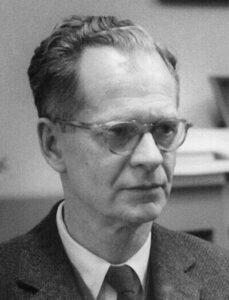 B.F. Skinner emphasized the role of reinforcement and consequences in shaping behavior. He proposed that behaviors followed by positive reinforcement (such as praise, privileges, or rewards) are more likely to be repeated, while those followed by punishment are less likely to recur. Although based on studies with animals, his concept of operant conditioning provided a scientific framework for understanding how children learn new behaviors.
For child guidance, Skinner’s ideas highlight the importance of intentional reinforcement. Teachers and caregivers can encourage desirable behaviors—like cooperation or self-control—by recognizing and reinforcing them consistently. Ignoring and not reinforcing negative behavior is very important. When children are getting needs met through dysfunctional behavior, adults often reinforce this behavior by reacting and giving undue attention or power to the child which reinforces that same behavior. Skinner cautioned against relying heavily on punishment, as it often suppresses behavior temporarily rather than extinguishing the behavior. His work is especially useful with children on the Autism spectrum and with high levels of ADHD characteristics. These children often need the external structure this approach provides. Behavior contracts and token economies are examples of this approach.
Albert Bandura: Social Learning Theory
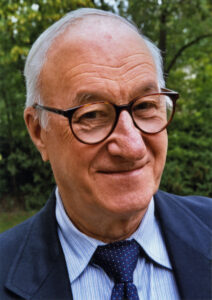 Albert Bandura extended behaviorist principles by showing that children also learn through observation and imitation. His “Bobo Doll” experiments demonstrated that children readily model the behavior of adults or peers, especially when those behaviors appear rewarded. Bandura also introduced the concept of self-efficacy—the belief in one’s ability to succeed in specific tasks—as a crucial factor in motivation and behavior.
Social Learning Theory emphasizes the importance of adult modeling. Teachers and caregivers must demonstrate respectful communication, empathy, and problem-solving if they want children to internalize these behaviors. Social learning also explains why peer influence is powerful; group norms and positive peer models can encourage cooperative and prosocial behavior. Encouraging children’s self-efficacy by offering achievable challenges and celebrating effort also helps build resilience and motivation.
Chess & Thomas and Carl Jung: Temperament Theory
Alexander Thomas and Stella Chess identified nine dimensions of temperament, such as activity level, adaptability, and intensity, that influence how children respond to the world. They grouped children into broad categories (easy, difficult, slow-to-warm-up) but emphasized that every child’s temperament is unique. Temperament is biologically rooted, meaning it affects children’s natural styles of interacting, regardless of the environment.
Carl Jung introduced the theory of psychological types in 1921, identifying core personality preferences such as introversion–extraversion, sensing–intuition, and thinking–feeling. These preferences form the foundation of later personality frameworks such as the Myers-Briggs Type Indicator and the Keirsey Temperament Sort.
Temperament theory emphasizes the importance of “goodness of fit.” Effective guidance requires adults to adapt strategies to match the child’s temperament. For instance, a highly active child may need more opportunities for movement, while a slow-to-warm-up child benefits from extra time and support during transitions. Recognizing and respecting these differences helps prevent frustration and promotes positive adult-child relationships. Jung’s work suggests that recognizing differences in personality style helps adults understand and respond to children more effectively. For example, introverted children may need time and space to process experiences, while intuitive children may thrive on imaginative opportunities. Respecting these natural tendencies supports positive self-concept and cooperation.
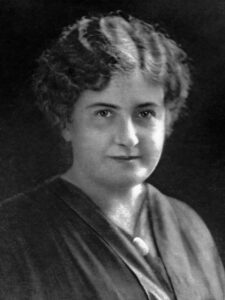
Maria Montessori: Montessori Method
Maria Montessori believed that children are naturally motivated to learn and thrive in prepared environments that encourage independence, order, and exploration. She emphasized sensitive periods—windows of opportunity when children are especially receptive to learning certain skills. Her approach valued self-directed activity and respect for the child’s pace of development.
Montessori’s philosophy highlights the importance of structuring environments that encourage self-control and responsibility. Rather than direct discipline, teachers guide children by designing spaces that promote purposeful activity and freedom within limits. Children learn to manage behavior through meaningful work, choice, and respect for materials and peers.

John Bowlby & Mary Ainsworth: Attachment Theory
John Bowlby and Mary Ainsworth highlighted the critical role of early attachment relationships in shaping children’s emotional and social development. Bowlby argued that secure attachments provide a base of safety from which children explore, while Ainsworth’s “Strange Situation” research identified secure, avoidant, resistant, and disorganized attachment styles.
Attachment theory stresses the importance of consistent, sensitive, and responsive caregiving. When children trust that adults will meet their needs, they develop confidence, empathy, and resilience. For teachers and caregivers, this means providing comfort during distress, showing warmth, and building dependable relationships—laying the groundwork for positive guidance and cooperative behavior.
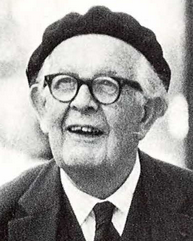
Jean Piaget: Cognitive Development Theory
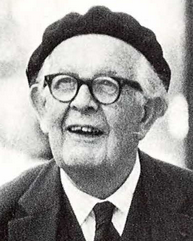 Jean Piaget described children as active constructors of knowledge, progressing through stages of cognitive development. He outlined sensorimotor, preoperational, concrete operational, and formal operational stages, each marked by qualitatively different ways of thinking. Piaget emphasized that children learn best when given opportunities to explore, manipulate, and experiment within their environment.
Piaget’s work highlights the importance of Developmentally Appropriate Practice (DAP), a fundamental principle for early childhood education that we will explore in much more detail in future chapters. Expectations should always be age-appropriate. Adults should tailor guidance to children’s cognitive abilities—for example, using concrete explanations and modeling for preschoolers rather than abstract reasoning. Guidance strategies that promote hands-on learning, problem-solving, and discovery align with Piaget’s belief that children develop autonomy and moral understanding through active engagement.
Erik Erikson: Psychosocial Development
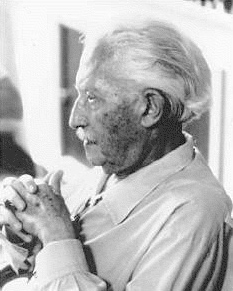 Erik Erikson proposed eight stages of psychosocial development, each with a central conflict to resolve, from trust vs. mistrust in infancy to identity vs. role confusion in adolescence and all the way to integrity vs despair in late adulthood. He emphasized the importance of social relationships and supportive environments in shaping a child’s ability to move successfully through these stages.
Erikson’s theory emphasizes the need for consistent, responsive care for infants in order for them to successfully achieve an orientation of trust. For the second and third stages, there is a need to create environments that foster autonomy and initiative through the use of choices and encouraging independence. School age children can develop competence as effective guidance helps them develop self-control. These are direct ways of helping children develop those ultimate goals that all guidance should be focused on.
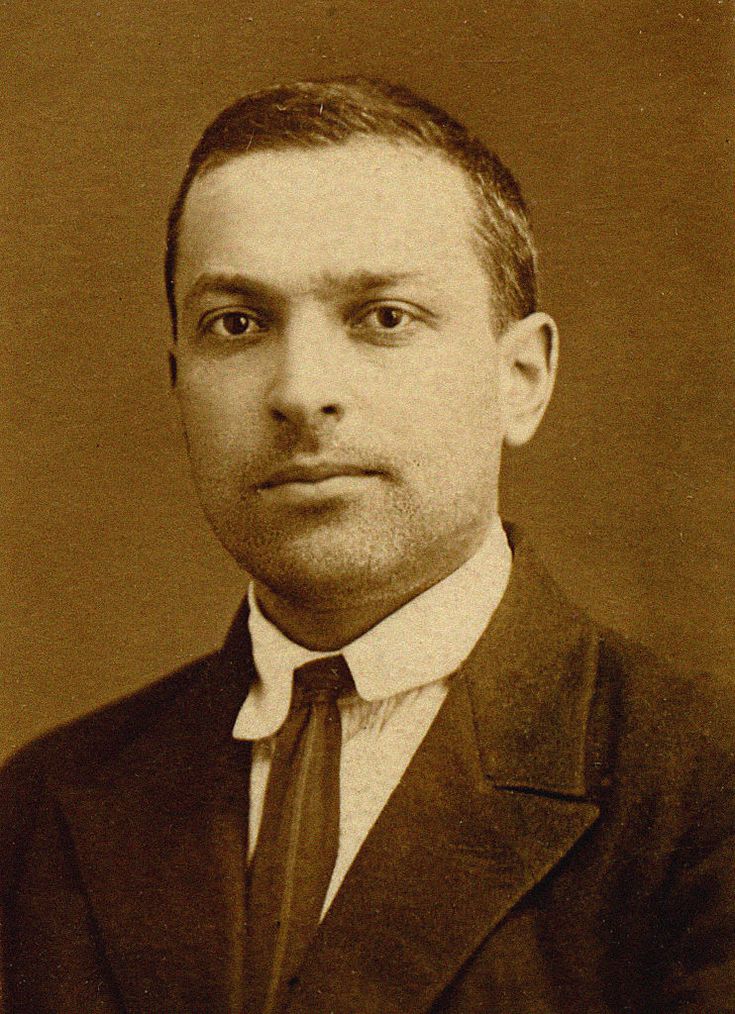
Lev Vygotsky: Sociocultural Theory
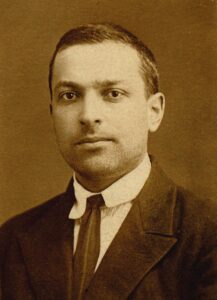 Lev Vygotsky stressed that learning occurs through social interaction and language. His concept of the Zone of Proximal Development (ZPD) describes the range between what a child can do independently and what they can accomplish with guidance from a more knowledgeable other. Scaffolding, or providing tailored support, is key to moving children through their ZPD.
In terms of guidance, his theory highlights the value of collaborative problem-solving and dialogue. Teachers and caregivers act as guides by modeling strategies, asking questions, and gradually reducing support as children gain competence in all of those social and emotional skills that guidance helps develop. Peer learning also plays a role; children benefit from working with others slightly ahead in skill. Encouraging a child to work with children who are further along in developing a specific social-emotional goal you want that child to develop provides support for that child’s growth toward that goal. This approach encourages self-regulation, responsibility, and cooperative behavior within a supportive social context.
Urie Bronfenbrenner: Ecological Systems Theory
Urie Bronfenbrenner described development as shaped by multiple layers of influence, from the child’s immediate environment (family, school) to larger cultural and social forces. His ecological systems model includes the microsystem, mesosystem, exosystem, macrosystem, and chronosystem, all interacting dynamically to affect a child’s growth.
Bronfenbrenner’s framework highlights the need to consider the broader context of a child’s behavior when deciding how to intervene when guiding children. A teacher, for instance, might recognize that a child’s challenges are influenced by family stress, community resources, or cultural expectations. Guidance is most effective when educators build strong partnerships with families and communities, creating consistent and supportive environments across settings.
Alfred Adler: Individual Psychology
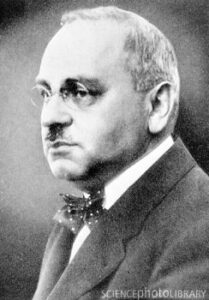
Alfred Adler emphasized the importance of social belonging and contribution in human behavior. He believed that misbehavior often arises when children feel discouraged or left out. Adler’s approach centered on encouragement and fostering social interest—the sense that one’s actions benefit the group.
Adler’s theories have had a big influence on child guidance and education. Several key figures built on or evolved from his ideas, especially around democratic parenting, encouragement, and social interest. Dreikurs (1964, 1982) developed the concept of logical consequences. Dinkmeyer (1976) developed a program that translated these principles into practical parenting tools. Jane Nelsen (1981, 1997) developed a series of books focusing on Positive Discipline that focused on mutual respect, encouragement, and problem solving with children.
Helping children feel capable, valued, and connected to their community is central. Classroom practices like collaborative problem-solving, shared responsibilities, and recognition of effort (rather than constant praise) help children develop intrinsic motivation and a sense of belonging.
Carl Rogers: Humanistic Theory
Carl Rogers proposed that individuals thrive in environments that provide unconditional positive regard, empathy, and authenticity. He viewed children as inherently driven toward growth and self-actualization when supported by nurturing relationships.
Rogers’ approach emphasizes building strong, respectful adult-child relationships. By listening empathetically, validating feelings, and avoiding judgment, adults create safe environments where children feel understood. This approach helps children internalize positive values, take responsibility for their choices, and develop self-regulation based on self-worth rather than fear of punishment. Incorporating the central aspects encouraged by Roger’s theory is critical for helping children develop all of the long-term goals we identify as the purpose of guiding children.
Kohlberg & Gilligan: Moral Development Theory
Lawrence Kohlberg proposed stages of moral development, from obedience to authority (pre-conventional) to principled reasoning based on universal ethics (post-conventional). Carol Gilligan critiqued and expanded Kohlberg’s theory as being limited to a male point of view. She emphasized the role of care, relationships, and empathy in moral reasoning, for all, but especially for women and girls.
Moral development theories suggest that in guiding children, adults should actively engage children in moral reasoning. Instead of simply enforcing rules, teachers and caregivers can encourage children to consider fairness, empathy, and the consequences of actions. By discussing dilemmas, modeling care and respect, and promoting perspective-taking, we support children’s moral growth through the process of effective behavioral guidance.
References
- Ainsworth, M. D. S., Blehar, M. C., Waters, E., & Wall, S. (1978). Patterns of attachment: A psychological study of the strange situation. Hillsdale, NJ: Lawrence Erlbaum.
- Bandura, A. (1977). Social learning theory. Englewood Cliffs, NJ: Prentice Hall.
- Bowlby, J. (1969). Attachment and loss: Vol. 1. Attachment. New York, NY: Basic Books.
- Bronfenbrenner, U. (1979). The ecology of human development: Experiments by nature and design. Cambridge, MA: Harvard University Press.
- Chess, S., & Thomas, A. (1996). Temperament: Theory and practice. New York, NY: Brunner/Mazel.
- Erikson, E. H. (1963). Childhood and society (2nd ed.). New York, NY: W. W. Norton.
- Gilligan, C. (1982). In a different voice: Psychological theory and women’s development. Cambridge, MA: Harvard University Press.
- Kohlberg, L. (1984). Essays on moral development, Vol. II: The psychology of moral development. San Francisco, CA: Harper & Row.
- Montessori, M. (1967). The discovery of the child. New York, NY: Ballantine Books.
- Piaget, J. (1952). The origins of intelligence in children (M. Cook, Trans.). New York, NY: International Universities Press.
- Rogers, C. R. (1969). Freedom to learn. Columbus, OH: Charles Merrill.
- Skinner, B. F. (1953). Science and human behavior. New York, NY: Macmillan.
- Vygotsky, L. S. (1978). Mind in society: The development of higher psychological processes (M. Cole, V. John-Steiner, S. Scribner, & E. Souberman, Eds. & Trans.). Cambridge, MA: Harvard University Press.
Media Attributions
- B.F._Skinner_at_Harvard_circa_1950_(cropped) © Silly rabbit adapted by Wikimedia Commons is licensed under a CC0 (Creative Commons Zero) license
- Albert_Bandura_Psychologist © bandura@stanford.edu adapted by Wikipedia Commons is licensed under a CC0 (Creative Commons Zero) license
- Maria Montessori © Nationaal Archief adapted by Nationaal Archief 119-0489, Public domain, via Wikimedia Commons is licensed under a Public Domain license
- The_Bowlby-Ainsworth_Award © Everett Waters adapted by Wikimedia Commons is licensed under a CC0 (Creative Commons Zero) license
- Jean_Piaget_in_Ann_Arbor_(cropped) © Unidentified (Ensian published by University of Michigan), adapted by Wikimedia Commons is licensed under a Public Domain license
- Erik_Erikson © Unknown author adapted by Wikimedia Commons is licensed under a Public Domain license
- Lev-Semyonovich-Vygotsky-1896-1934 © Unknown author adapted by Wikimedia Commons is licensed under a Public Domain license
- Alfred Adler, Austrian psychiatrist © Isidoricaaa7 adapted by Wikimedia Commons is licensed under a CC0 (Creative Commons Zero) license

.jpg)


.jpg)


.png)