Understanding Emotions and Their Purpose
Ken Breeding
Emotions Defined
All emotions are in essence, impulses to act. The root for the word “emotion” is the Latin verb, motere, which means “to move.” The prefix, “e-“ connotes “move away”. Emotions are biological processes that move the body into action. They prepare us to respond quickly to opportunities, relationships, and potential threats in our environment (LeDoux, 1996). This ability to move us to action has been very useful in an evolutionary sense; it’s responsible for keeping our ancestors, as well as ourselves, alive.
Understanding the biology of emotions helps us appreciate what is actually happening in our bodies. This is not only useful for our own emotional regulation, but it is also extremely important for informing what we do to manage the behavior of children. We can also then help teach children what is actually going on in their bodies to help them develop emotional regulation for themselves and make good choices in managing their feelings and behavior.
The Physiology of Emotions
The Limbic System: The Brain’s Emotional Center
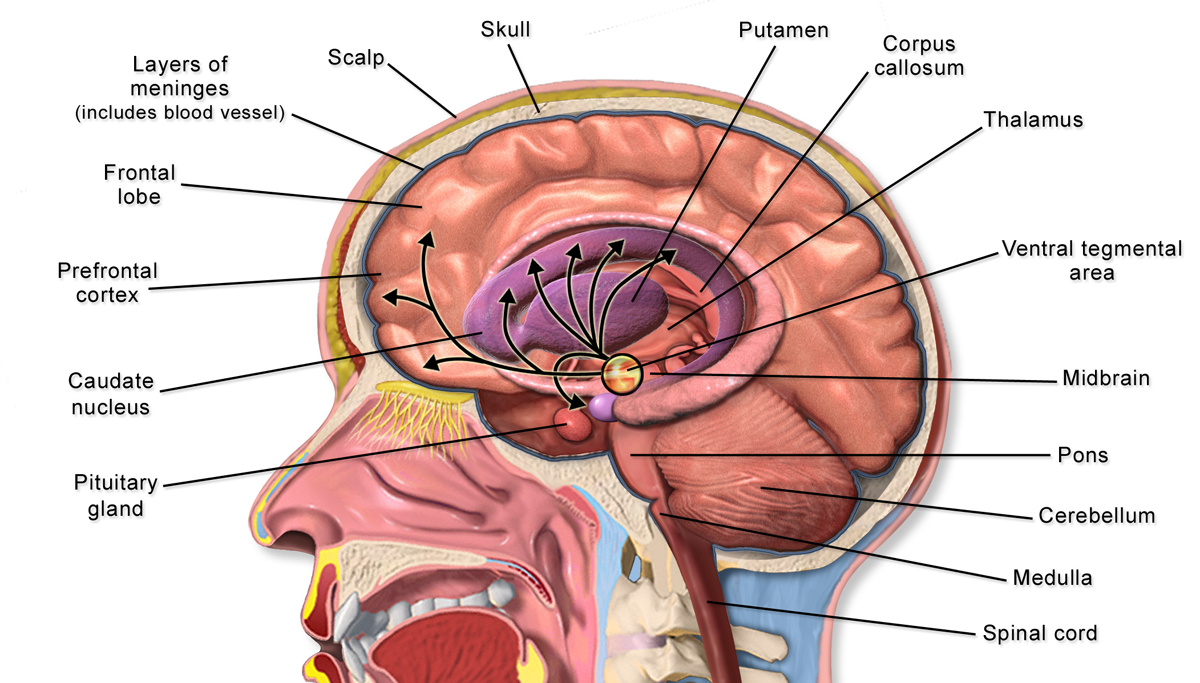
Many of the brain structures involved in emotion are part of a network known as the limbic system. The limbic system includes several interconnected structures that help process emotions, memory, and motivation. Key components include the amygdala, hippocampus, hypothalamus, and connections to the prefrontal cortex (LeDoux, 1996; Phelps & LeDoux, 2005).
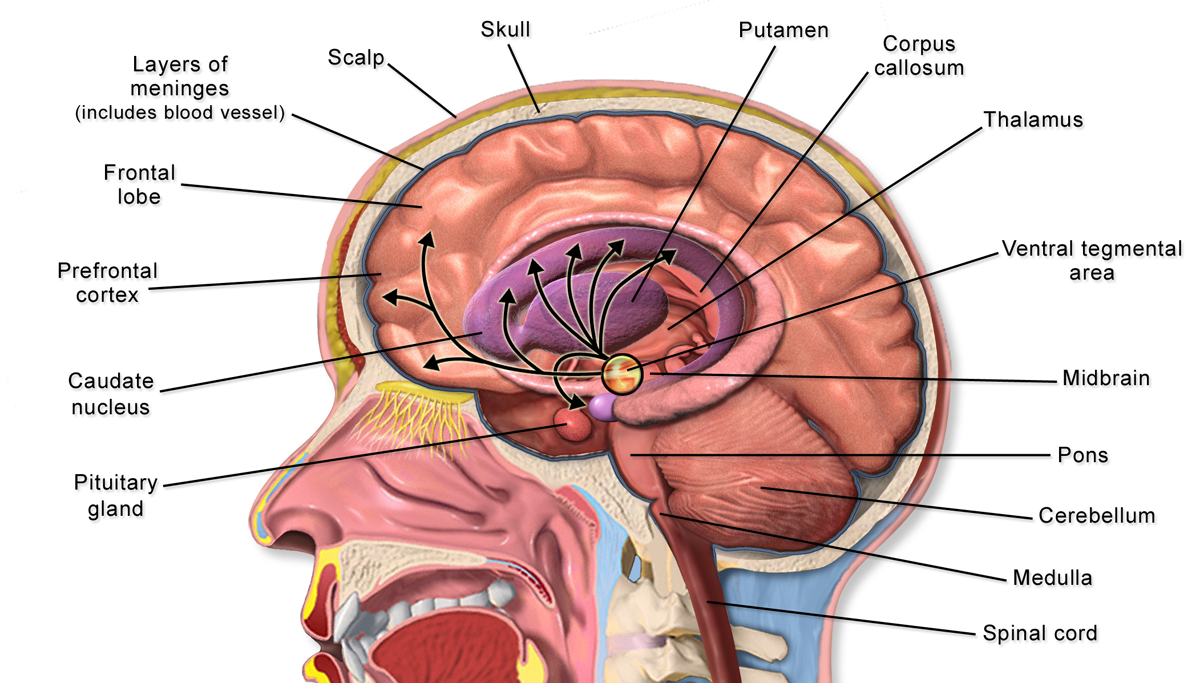
The limbic system plays a central role in detecting emotionally meaningful events and preparing the body to respond. When we perceive something important, such as a threat, a joyful reunion, or a surprising sound, the limbic system helps coordinate the emotional response.
Among these structures, the amygdala is particularly important.
The Amygdala: The Brain’s Emotional Alarm System
The amygdala is a small, almond-shaped structure located deep within the temporal lobe of the brain. Despite its small size, it plays a critical role in detecting emotional significance, especially potential threats (LeDoux, 1996). The amygdala acts as an early-warning system. When sensory information enters the brain, it travels through multiple pathways. One pathway leads quickly to the amygdala, allowing the brain to make a rapid emotional assessment before detailed reasoning occurs. This fast pathway allows us to react quickly to danger. For example, if we suddenly hear a loud noise, the amygdala may trigger a startle response before the child has consciously identified what caused the sound. This rapid response can be protective because it prepares the body to respond to danger even before conscious thought occurs.
The Relationship Between the Limbic System and the Frontal Cortex
While the limbic system generates emotional responses, another part of the brain, the prefrontal cortex, helps regulate and interpret those responses. Located in the most anterior (front-most) portion of the brain, just behind the forehead, it is often described as the brain’s executive control center.
Key Takeaways
The prefrontal cortex is responsible for what is called executive functions, which include:
- Planning and goal-setting
- Impulse control
- Attention regulation
- Working memory
- Decision-making
- Emotional regulation
- Social judgment and moral reasoning (Diamond, 2013; Miller & Cohen, 2001)
In simple terms, the prefrontal cortex helps individuals pause, think, and choose appropriate responses rather than reacting automatically (Goleman, 1995; LeDoux, 1996). It plays a critical role in moderating emotional signals coming from the limbic system, particularly the amygdala.
The prefrontal cortex develops gradually throughout childhood and adolescence. Because this regulatory system is still maturing, young children often experience emotions more intensely and have greater difficulty regulating their reactions. Understanding this developmental reality helps educators and caregivers respond to children’s emotional behavior with patience and guidance rather than punishment.
The Autonomic Nervous System: Sympathetic and Parasympathetic Responses
Emotional responses involve not only the brain but also the autonomic nervous system, which controls many automatic bodily functions such as heart rate, breathing, and digestion. The autonomic nervous system has two main branches:
The sympathetic nervous system prepares the body for action during situations that require alertness or defense. It is often associated with the fight-or-flight response.
When activated, the sympathetic system can cause a very rapid, coordinated physical response. Adrenaline and cortisol are immediately dumped into the bloodstream, which then activates a wide range of physical responses such as increased heart rate, faster breathing, and increased blood pressure. These changes prepare the body to respond quickly to danger or challenge (Sapolsky, 2004).
When children experience chronic stress or traumatic events, the body’s stress-response systems, particularly the sympathetic nervous system and the hypothalamic–pituitary–adrenal (HPA) axis, can become overactivated. Over time, this repeated activation can alter how the brain and body respond to perceived threats, making emotional regulation more difficult throughout development and even into adulthood.
The parasympathetic nervous system helps return the body to a state of calm after the threat has passed. It is sometimes called the rest-and-digest system It slows heart rate, supports digestion, and restores the body’s equilibrium. Healthy emotional functioning involves the ability to move flexibly between activation and recovery. However, when children are repeatedly exposed to stress, such as violence, neglect, chronic family conflict, or other forms of adversity, the stress response may remain activated more frequently and for longer periods of time. This is the reality for many children in our care.
Trauma, Adverse Childhood Experiences, and Emotional Regulation
During childhood, the brain is particularly sensitive to environmental influences. Prolonged activation of stress responses can disrupt neural development in several key regions, including the amygdala, hippocampus, and prefrontal cortex (Shonkoff et al., 2012). These brain structures play essential roles in processing emotions, forming memories, and regulating behavior. When the stress response system is activated repeatedly during sensitive periods of development, it can alter neural pathways and increase the likelihood that the brain will interpret ambiguous situations as threatening. Researchers studying Adverse Childhood Experiences (ACEs) have demonstrated that early life stress can significantly influence long-term health and development (Felitti, 1998).
Importantly, the brain remains capable of change throughout life. This capacity for adaptation, known as neuroplasticity, means that supportive relationships, therapeutic interventions, and emotionally safe environments can help individuals develop healthier regulation strategies even after early adversity (Siegel, 2012). Practices that strengthen self-regulation, such as mindfulness, emotional coaching, secure attachment relationships, and trauma-informed care, can help recalibrate stress-response systems and support more balanced functioning between the limbic system and the prefrontal cortex.
For educators and professionals working with children, understanding the biological impact of trauma is essential. Behaviors that may appear defiant, inattentive, or emotionally volatile often reflect nervous systems that have been shaped by chronic stress. Recognizing this allows adults to respond with empathy, structure, and supportive regulation rather than punishment. In doing so, caregivers and educators can help children gradually build the emotional skills needed for resilience, learning, and healthy relationships.
How Different Emotions Affect the Body
Research shows that different emotions are associated with distinct physiological patterns, including changes in facial expression, heart rate, hormone release, and brain activity (Ekman, 2003). Although emotions often overlap, several general patterns have been identified.
Fear is one of the most studied emotional responses because of its importance for survival. When the brain perceives a potential threat, the amygdala activates the sympathetic nervous system and signals the release of stress hormones such as adrenaline and cortisol. These changes increase heart rate, accelerate breathing, widen the eyes, and redirect blood flow toward large muscles. This pattern prepares the body for rapid escape or avoidance. In children, this response may be observed when a sudden noise, unfamiliar situation, or perceived danger triggers a startle reaction.
Anger produces a somewhat different physiological pattern. Although anger also activates the sympathetic nervous system, it tends to increase blood flow to the hands and arms while heightening muscle tension. Heart rate and blood pressure rise, preparing the body for confrontation or defense. Facial expressions associated with anger—such as lowered brows and tightened lips—communicate readiness to challenge a perceived injustice or threat (Ekman, 2003).
Happiness is associated with a physiological state that combines relaxation with moderate activation. Positive emotions are linked to the release of neurotransmitters such as dopamine and serotonin, which support feelings of pleasure, motivation, and well-being. Smiling, relaxed facial muscles, and increased social engagement often accompany this emotional state. Rather than preparing the body for threat or defense, happiness supports exploration, creativity, and social connection.
Surprise functions as a rapid orienting response that helps the brain gather information about unexpected events. Physiologically, surprise often involves widened eyes, raised eyebrows, and a brief pause in ongoing activity. This response momentarily heightens attention, allowing the brain to quickly assess new information and determine whether the situation requires fear, curiosity, or another emotional reaction.
Disgust serves an important protective function by helping individuals avoid contamination or illness. When experiencing disgust, facial muscles typically contract to wrinkle the nose and narrow the eyes. Physiological responses may include nausea, withdrawal from the stimulus, and reduced appetite. These responses evolved to discourage contact with potentially harmful substances such as spoiled food or infectious materials. This emotion can help develop our moral values.
Sadness tends to produce a slower, more inward-focused physiological state. Energy levels may decrease, posture may become slumped, and facial expressions may soften or droop. Tear production is also associated with sadness in humans. Although sadness is often viewed negatively, researchers suggest that it may serve adaptive purposes, including encouraging reflection and signaling the need for social support (Keltner & Gross, 1999).
Love and attachment involve physiological systems associated with bonding and caregiving. Hormones such as oxytocin and vasopressin play important roles in promoting trust, closeness, and nurturing behavior. These emotional states are associated with calm physiological patterns and increased sensitivity to social cues. For infants and young children, attachment relationships activate these systems repeatedly, shaping both emotional development and brain organization (Carter, 1998).
Critical Functions Emotions Facilitate
Decision Making and Executive Functions
Neuroscience has demonstrated that emotion is not an obstacle to reasoning, it is a necessary component of effective decision making. Emotion provides critical information for evaluating risk, predicting consequences, and guiding adaptive behavior. Without emotional input, reasoning alone is not sufficient to support effective decision-making.
One of the most influential lines of evidence comes from research on individuals who have experienced damage to the amygdala or related emotional brain systems. Studies of these patients have revealed that when emotional processing is impaired, decision making becomes profoundly disrupted—even when intelligence, memory, and reasoning abilities remain intact.
Antonio Damasio and Antoine Bechara (1999) examined patients with damage to emotional processing systems such as the amygdala and the ventromedial prefrontal cortex. In laboratory decision-making tasks—such as simulated gambling games—these individuals consistently performed poorly compared with neurologically typical participants.
Normally, people develop subtle physiological reactions (such as changes in skin conductance) when they consider risky choices. These bodily signals act as “somatic markers”—emotional cues that help guide decisions away from harmful outcomes. However, individuals with amygdala damage do not generate these emotional signals, leaving them unable to use emotional feedback to guide future decisions. (Gupta, et al, 2011)
As a result, these individuals may intellectually understand which options are risky yet repeatedly make poor choices in real life. Individuals with bilateral amygdala damage often show deficient judgment, difficulty learning from consequences, and impaired social decision-making.
How Emotions Facilitate Memory
Emotions play a central role in how memories are encoded, consolidated, and retrieved. The amygdala interacts closely with the hippocampus, the brain structure responsible for forming new memories. When an event carries strong emotional significance, the amygdala signals the hippocampus and other brain systems that the experience is important and should be stored more robustly. Emotional arousal activates stress hormones such as epinephrine and cortisol, which influence neural circuits involved in memory consolidation.
As a result, emotionally meaningful events are often remembered more vividly and for longer periods than emotionally neutral experiences. I remember in great detail where I was and what I did on 9/11/2001. I can vividly picture the Las Vegas hotel room I was staying in, where the television was, etc. I have no idea where I even was this past September 11th. Emotional intensity automatically and efficiently supports the process of memory formation.
This has immediate and profound implications for what we do in guiding children. This is why it can be so effective to use the problems children can get into as the most productive times to help guide or teach them. If they can be helped to see what they could do that would be more productive for them while they’re experiencing a strong feeling, it’s much more likely to be remembered. While shame is never useful, children feeling a strong sense of regret or remorse are more likely to remember to make a better choice in the future.
Emotions function as a biological tagging system, helping the brain determine which experiences are most important to remember. Research consistently shows that moderate emotional arousal enhances memory formation, while extremely high levels of stress, however, may impair it. In highly stressful situations, the brain may prioritize rapid survival responses over detailed memory encoding, sometimes leading to fragmented or incomplete recollections.
I had extremely positive relationships with my parents, but at the time they raised me, “spanking” was what they thought would help me learn from mistakes. I was very, very rarely spanked, but the only memory I have of that happening at all contains a vivid memory of me behind my bedroom door, barricading it against my father, who was insisting I let him in and be spanked. I remember the hurt, fear, and anger, but I don’t remember at all what I had done wrong or anything else about what happened. I am sure his intent was to help me learn an important lesson, but that objective was never achieved. The intensity of my emotional response blotted out all memory of what it was I had done wrong.
A Special Section About Anger
Of all the emotions we experience, anger is probably the one that causes the most problems. The huge majority of situations where we are guiding children involves this emotion, whether it is being experienced by a child, by ourselves, or both.
However, anger is rarely the first emotion that occurs in a situation. More often, it is a secondary emotional response that follows other feelings such as frustration, fear, embarrassment, disappointment, or hurt. The importance and usefulness of getting to the emotion that is underneath. When anger is expressed, it can elicit defensiveness and counterattack. Expressing the real feelings underneath our experience of anger allows others to hear us. This allows us to clearly and strongly communicate what we need.
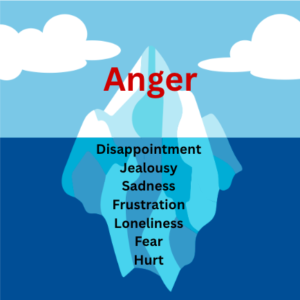 One way to help both adults and children understand this dynamic is through the concept sometimes called the Anger Iceberg. In this model, anger represents the visible tip of the iceberg above the surface of the water. Beneath the surface are the emotions that triggered the anger response in the first place. These underlying feelings may include fear, sadness, jealousy, shame, disappointment, or a sense of unfairness. Because these emotions are less obvious than anger, they are often overlooked. Helping children recognize the feelings beneath anger can be an important step in helping them understand and regulate their emotional responses.
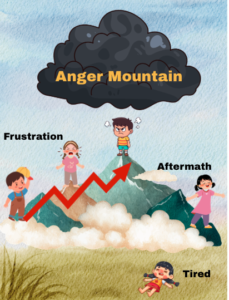 A graphic way to illustrate the sympathetic nervous system’s activation is through the image of an Anger Mountain. This model illustrates how a situation or stimulus triggers a rapid chain of events in the brain and body. When something happens, something is broken, a rule feels unfair, or someone says something hurtful, the brain immediately evaluates the meaning of the event. This evaluation occurs extremely quickly and often outside conscious awareness, but it is a little window of opportunity that can be expanded with awareness and practice.
If the situation is interpreted as threatening, unfair, or frustrating, the brain’s emotional alarm system activates. The sympathetic nervous system prepares the body for action, increasing heart rate, muscle tension, and emotional intensity. At the same time, the activity of the prefrontal cortex, the part of the brain responsible for reflection, reasoning, and impulse control, decreases. This physiological shift helps explain why we all sometimes react impulsively when we are very angry.
Neuroscientist Daniel Siegel has described this phenomenon as an amygdala hijack, a situation in which the brain’s emotional alarm system overrides the more reflective functions of the prefrontal cortex (Siegel, 2012). When this occurs, the emotional centers of the brain dominate the response while the parts responsible for thoughtful decision-making are less active. In simple terms, the brain’s alarm system takes control. Our emotions can hijack the plane from the pilot.
Siegel also uses the metaphor of the “upstairs brain” and the “downstairs brain” to help explain this process. The downstairs brain includes older brain structures involved in survival responses and strong emotions, such as the brainstem and limbic system. The upstairs brain refers primarily to the prefrontal cortex, which supports reasoning, planning, empathy, and self-control. When a child becomes overwhelmed with anger, the downstairs brain can temporarily overpower the upstairs brain. In these moments, children may lose access to the very skills adults are asking them to use, such as thinking through consequences, explaining their feelings clearly, or solving problems calmly.
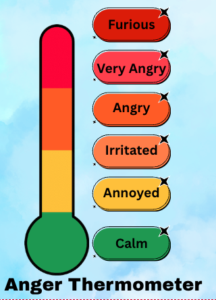 Another useful metaphor to use to understand the degrees of emotional activation is the idea of an Anger Thermometer. Emotions rarely appear suddenly at their most intense level. Instead, they usually develop along a continuum of increasing intensity. For example, a child might initially feel mildly annoyed at someone behind him tapping a pencil on a table. If they don’t have the ability to recognize and label this emotion, they may go up the thermometer to irritated, then angry, and eventually furious. At this point, the emotion is so intense that they might just turn around and hit the other student. If they can learn to recognize these early stages of emotional escalation, they are more likely to use prosocial strategies to deal with the situation. If they have the vocabulary and have been taught how to be assertive by using I-Messages, they can turn around and calmly explain that the sound is annoying for them and ask the person to stop making it. Teaching children to recognize and giving them the vocabulary to express these different levels of emotional intensity helps build self-awareness and supports emotional regulation.
Understanding these processes helps us respond more effectively when children experience intense anger. Rather than viewing angry behavior simply as misbehavior, we can recognize that the child’s nervous system may be in a state of emotional activation. In these moments, the first priority is often helping the child regain emotional regulation. Helping children understand anger in these ways, recognizing the emotions beneath it, noticing early signs of escalation, and learning strategies for calming down, can transform angry moments into powerful opportunities for emotional learning.
References
- Ekman, P. (2003). Emotions revealed: Recognizing faces and feelings to improve communication and emotional life. Times Books.
- Felitti, V. J., Anda, R. F., Nordenberg, D., Williamson, D. F., Spitz, A. M., Edwards, V., Koss, M. P., & Marks, J. S. (1998). Relationship of childhood abuse and household dysfunction to many of the leading causes of death in adults. American Journal of Preventive Medicine, 14(4), 245–258. https://doi.org/10.1016/S0749-3797(98)00017-8
- Goleman, D. (1995). Emotional intelligence: Why it can matter more than IQ. Bantam Books.
- LeDoux, J. (1996). The emotional brain: The mysterious underpinnings of emotional life. Simon & Schuster.
- LeDoux, J. (2012). Rethinking the emotional brain. Neuron, 73(4), 653–676. https://doi.org/10.1016/j.neuron.2012.02.004
- Phelps, E. A., & LeDoux, J. E. (2005). Contributions of the amygdala to emotion processing. Neuron, 48(2), 175–187.
- Sapolsky, R. M. (2004). Why zebras don’t get ulcers (3rd ed.). Holt.
- Siegel, D. J. (2012). The developing mind: How relationships and the brain interact to shape who we are (2nd ed.). Guilford Press.
- Siegel, D. J., & Bryson, T. P. (2011). The whole-brain child: 12 revolutionary strategies to nurture your child’s developing mind. Delacorte Press.
- Stinnett, B. (2012, February 27). Leadership training: The feelings iceberg (Video blog). Gordon Training International. https://www.gordontraining.com/leadership/leadership-training-the-feelings-iceberg/
Media Attributions
- Brain_Anatomy_Striatum © BruceBlaus, CC BY-SA 4.0 , via Wikimedia Commons is licensed under a CC BY-SA (Attribution ShareAlike) license
- Anger Iceberg © Tanessa Sanchez is licensed under a CC0 (Creative Commons Zero) license
- Anger Mountain © Tanessa Sanchez is licensed under a CC0 (Creative Commons Zero) license
- Anger Thermometer © Tanessa Sanchez is licensed under a CC0 (Creative Commons Zero) license