
Science Standards and Activities
Elementary Sciences
Teaching science in elementary school is about helping children explore, question, and make sense of the world around them. Science includes many areas of study, such as physical science (how things move and interact), life science (plants, animals, and living systems), earth and space science (weather, land, oceans, and the universe), and engineering and technology.
As a teacher, your role is to create opportunities for hands-on learning, observation, and discovery so students can actively engage with these concepts. This chapter will guide you in using inquiry-based approaches, simple experiments, and meaningful activities to support curiosity and critical thinking. By connecting science to everyday experiences, you can help students build knowledge, develop problem-solving skills, and see themselves as capable learners and thinkers.
Physical Sciences
Physical science in the NGSS (Next Generation Science Standards) focuses on helping students understand the fundamental principles that explain how the physical world works. Through hands-on investigations and real-world applications, students explore core ideas in matter and its interactions, motion and stability, energy, and waves. NGSS emphasizes three-dimensional learning, meaning students not only learn scientific concepts but also engage in science and engineering practices and connect their learning to crosscutting concepts such as patterns, cause and effect, and systems. This integrated approach supports students in developing deep, transferable understanding of physical phenomena and strengthens their ability to think critically, solve problems, and apply scientific reasoning in everyday life.
Examples
Below is a list of popular physical science activities by grade.
Kindergarten (NGSS: Pushes & Pulls; Motion; Sunlight Effects)
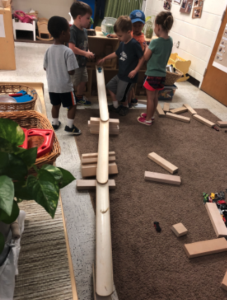
- Ramp Roll Investigation: Students test how far a toy car rolls down ramps of different heights to observe pushes and pulls.
- Magnet Exploration Center: Free exploration with magnets to discover attraction, repulsion, and force without touching.
- Shadow Play: Students use flashlights to make and change shadows, learning how light interacts with objects.
- Push vs. Pull Sorting: Photos and objects for students to sort based on whether they require pushing or pulling.
- Parachute Drops: Dropping simple paper parachutes to explore how air can slow the speed of falling objects.
1st Grade (NGSS: Sound & Light; Communication Devices)
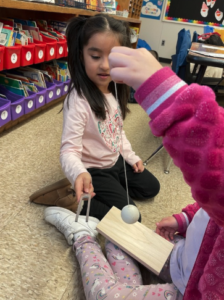
- String Telephone Engineering: Students build cup-and-string phones to investigate vibration and sound.
- Light Maze Challenge: Using flashlights and mirrors, students attempt to reflect light to hit a target.
- Shadow Story Theater: Students create shadow puppets to explore how blocking light changes shape and size.
- Vibration Stations: Rubber bands, tuning forks in water, and rice on drums to observe how sound is made.
- Design a “Communication Tool”: Students invent a device using light or sound to send a simple message.
2nd Grade (NGSS: Properties of Matter; Reversible/Irreversible Changes)
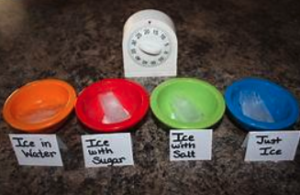
- Mystery Material Sorting: Students classify items (metal, wood, plastic, fabric) based on observable properties.
- Ice Melting Race: Test how different materials (salt, sand, cloth, metal) affect melt rate.
- Oobleck Lab: Explore a non-Newtonian fluid and compare its solid and liquid behaviors.
- Build the Strongest Bridge: Use only paper and tape to test strength and properties of materials.
- Change It! Experiment: Heating, freezing, dissolving (e.g., chocolate, ice, sugar) to identify reversible vs. irreversible changes.
3rd Grade (NGSS: Forces; Motion; Magnetism)
- Magnetic Field Mapping: Students use iron filings to reveal magnetic fields around magnets.
- Balloon Rocket Races: Test how stored energy and force propel a balloon along a string.
- Friction Test Track: Students measure how far a toy travels on surfaces like sandpaper, carpet, and tile.
- Design a Magnetic Tool: Build a device using magnets to solve a simple problem (e.g., picking up paper clips).
- Pendulum Challenge: Students test how string length affects the motion of a pendulum.
4th Grade (NGSS: Energy Transfer; Waves; Speed)
- Flashlight & Filter Exploration: Students investigate how light interacts with transparent, translucent, and opaque materials.
- Energy Transfer Through Collisions: Using marbles or Newton’s cradle to model how energy moves between objects.
- Water Wave Tray: Create waves in a shallow pan to observe patterns and how waves move energy.
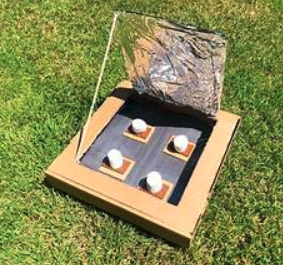
- Build a Solar Oven: Students design a pizza box oven to observe energy transfer from sunlight.
- Speed Investigation: Measure and graph how long it takes objects to travel set distances.
5th Grade (NGSS: Matter; Chemical Reactions; Conservation of Matter)
- Chemical Change Lab: Vinegar and baking soda, rusting steel wool, or color-change reactions to identify chemical changes.
- Mix-It-Up Stations: Test mixtures vs. solutions using sand, salt, water, beads, and oil.
- Mass Conservation Investigation: Students weigh closed containers before and after a reaction to see that mass is conserved.
- Conductivity Testing: Use simple circuits to test which materials conduct electricity.
- Glow Stick Temperature Test: Compare brightness at warm vs. cold temperatures to observe reaction rate changes.
Life Sciences
Life science in the NGSS (Next Generation Science Standards) focuses on helping students understand how living things grow, survive, interact, and change over time. Through hands-on investigations and real-world observations, students explore core ideas such as the needs of plants and animals, life cycles, ecosystems, adaptations, and the flow of energy in the natural world. NGSS emphasizes three-dimensional learning, meaning students not only learn scientific concepts but also engage in science and engineering practices and connect their learning to crosscutting concepts like patterns, cause and effect, and systems. This approach supports students in developing a deep understanding of how living organisms function and interact, while strengthening their ability to think critically, solve problems, and apply scientific reasoning to the world around them.
Examples
Below is a list of popular life science activities by grade.
Kindergarten (NGSS: Living vs. Nonliving; Basic Needs; Plant & Animal Survival)
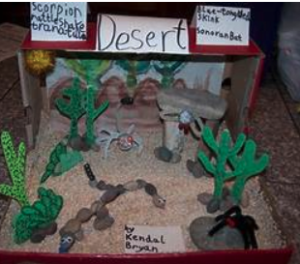
- Living or Nonliving Sort: Students sort pictures or classroom items based on whether they are living or not and explain why.
- Planting Seeds Observation: Grow fast-sprouting seeds in clear cups to observe roots, stems, and what plants need.
- Animal Homes Hunt: Go outdoors to find natural habitats (nests, burrows, holes) and discuss how animals meet needs.
- Needs of Living Things Collage: Students cut and glue pictures showing water, air, food, and shelter.
- Build an Animal Shelter: Design a simple home (from blocks, sticks, etc.) that helps an animal survive.
1st Grade (NGSS: Structure/Function; Animal Behavior; Survival)
- Animal Body Parts Investigation: Examine feathers, shells, seeds, or models and discuss how structures help with survival.
- Camouflage Art Challenge: Students create an animal drawing that blends into patterned backgrounds.
- Mimicry in Nature Hunt:Look at examples of animals that copy sounds, colors, or actions for survival.
- Beaks & Tools Activity: Use tweezers, spoons, tongs, etc. to model different bird beaks and food types.
- Habitats Diorama: Students create a small habitat showing how an animal uses its environment.
2nd Grade (NGSS: Interdependent Relationships; Biodiversity; Pollution Solutions)
- Pollination Simulation: Students use pompoms as “bees” to transfer “pollen” (cornstarch) between flowers.
- Seed Dispersal Engineering: Test different designs for seeds that float, fly, or stick to fur.
- Food Chain Bracelet:Make bead bracelets showing sun → plant → herbivore → carnivore.
- Habitat Impact Investigation: Model what happens when habitats change (flooding, cutting trees) and how animals respond.
- Design a Solution to Reduce Pollution: Build simple filters, trash grabbers, or posters to help protect environments.
3rd Grade (NGSS: Life Cycles; Inheritance; Variation)
- Life Cycle Sorting Cards: Students put life cycle stages in order for frogs, butterflies, plants, etc.
- Growing Fast Plants: Observe plant growth rate, measure stems, and record traits passed down.
- Animal Variation Investigation: Compare traits of the same species (photos of dogs, birds, insects) to classify variations.
- Organism Matching Game: Match offspring to parents and discuss inherited vs. learned traits.
- Model a Frog or Butterfly Life Cycle: Use clay, cups, or paper wheels to show complete life cycles.
4th Grade (NGSS: Internal/External Structures; Senses; Adaptations)
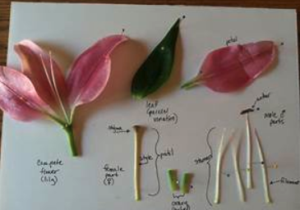
- Dissecting a Flower: Identify parts (stamen, pistil, petals) and explain their functions.
- Build a Model Skeleton or System: Use straws, pasta, or pipe cleaners to model bones, muscles, or circulatory pathways.
- Animal Adaptations Research Cards: Research an animal and illustrate how its structures support survival.
- Senses Investigation Stations: Smell jars, touch bags, taste (optional), and sound tubes to explore sensory receptors.
- Create a “New Species”: Students invent an organism designed to survive in a specific environment and explain its features.
5th Grade (NGSS: Matter in Ecosystems; Food Webs; Cycles of Life; Decomposition)
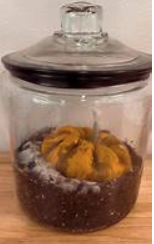
- Decomposer Jar (Mini Compost): Students observe how food scraps break down over time and identify decomposers.
- Build a Food Web: Use yarn to connect producers, consumers, and decomposers into a large class web.
- Energy Flow Drawings: Students illustrate how energy moves from sun → producers → consumers.
- Ecosystem in a Bottle: Create a closed terrarium or aquatic habitat to observe interactions over time.
- Human Impact Case Study: Students analyze pollution, invasive species, or habitat destruction and design solutions.
Earth and Space
Earth and space science in the NGSS (Next Generation Science Standards) helps students make sense of the dynamic processes that shape our planet and the universe. Through hands-on exploration, data collection, and observation, students investigate core ideas such as weather and climate, Earth’s systems, natural resources, the water cycle, patterns of the sun and moon, and the history of our planet. NGSS emphasizes three-dimensional learning, blending scientific concepts with science and engineering practices and crosscutting concepts like patterns, cause and effect, and stability and change. This approach supports students in developing a deeper understanding of Earth’s interconnected systems and empowers them to apply scientific reasoning to real-world environmental issues and phenomena.
Examples
Below is a list of popular Earth and space science activities by grade.
Kindergarten (NGSS: Weather Patterns; Sunlight; Seasonal Changes)
- Weather Chart Tracking: Daily observations of sun, rain, clouds, and temperature using simple icons.
- Shadow Stick Investigation: Measure the shadow of a stick throughout the day to see how sunlight changes.
- Make a Wind Sock: Students build and test a windsock to observe wind direction.
- Rain in a Jar Demo: Use warm water and ice on a lid to model how rain forms.
- Dress the Weather Activity: Students choose clothing for a “weather doll” based on daily conditions.
1st Grade (NGSS: Patterns in the Sun, Moon, Stars; Day/Night Cycle)
- Sky Observation Journal: Students draw what the sky looks like at different times of day.
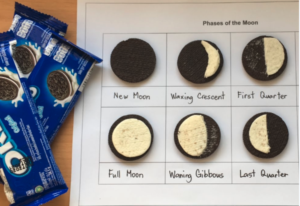
- Phases of the Moon with Oreos: Model the moon’s changing shape using cookie cream.
- Shadow Puppet Movements: Explore how moving a light source changes shadows, modeling the sun’s position.
- Day & Night Sorting Cards: Match activities, animals, and objects to day or night.
- Constellation Art: Create simple constellations using black paper and star stickers.
2nd Grade (NGSS: Slow & Rapid Changes; Earth Materials; Natural Resources)
- Erosion Tray Model: Use sand, water, and slopes to observe erosion and deposition.
- Rock Testing Stations: Students investigate rocks for hardness, luster, and texture.
- Build a “Stronger Landform”: Students try materials to prevent erosion on a model hill.
- Natural Resources Hunt: Identify items in the classroom made from wood, metal, water, or minerals.
- Weathering with Sugar Cubes: Shake sugar cubes in jars to model breaking down of rock.
3rd Grade (NGSS: Weather & Climate; Data Patterns; Seasonal Variations)
- Make a Rain Gauge: Students build and track rainfall over days/weeks.
- Climate vs. Weather Sorting: Sort statements or pictures into “weather today” vs. “climate over time.”
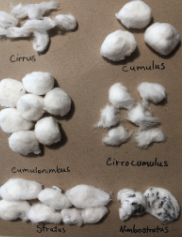
- Use Cotton balls to make the different types of clouds.
- Build a Simple Thermometer Model: Use colored water and a straw to demonstrate temperature changes.
- Weather Phenomena Research Cards: Students create info cards on tornadoes, hurricanes, or snowstorms.
4th Grade (NGSS: Weathering & Erosion; Earth’s Processes; Mapping Landforms)
- Earthquake Shake Table: Build a model and test structures to see what survives shaking.
- Topographic Map Modeling: Use clay and layers of paper to create and read topographic lines.
- Erosion Barrier Engineering: Test materials like sticks, sandbags, or clay to slow erosion.
- Water Cycle in a Bag: Create a sealed mini water cycle using sunlight to show evaporation/condensation.
- Landform Research Mini-Posters: Students illustrate and describe mountains, valleys, canyons, dunes, etc.
5th Grade (NGSS: Earth’s Systems; Water on Earth; Stars & Solar System; Earth–Sun–Moon Patterns)
- Earth’s Water Pie Chart: Create a visual model showing freshwater vs. saltwater amounts.
- Solar System Scale Model: Use measured distances and object sizes to create a classroom or outdoor model.
- Sundial Construction: Track the position of shadows to model Earth’s rotation.
- Earth’s Systems Diagram: Students illustrate interactions among geosphere, biosphere, hydrosphere, and atmosphere.
- Movement of Shadows Investigation: Track and record shadow changes to understand Earth’s spin and the apparent movement of the sun.
Engineering, Technology and Applications of Science
Introduction to NGSS Engineering, Technology, and Applications of Science Engineering in the NGSS emphasizes helping students learn how to define problems, develop solutions, test ideas, and improve designs using creativity, collaboration, and evidence. Instead of memorizing facts, students actively engage in the engineering design process—asking questions, planning and building models, analyzing results, and revising solutions. Through hands-on challenges, students discover how technology is created to meet human needs and how scientific knowledge supports better designs. This three-dimensional approach prepares students to think like engineers: identifying problems, using tools and materials wisely, and applying scientific reasoning to create, test, and refine solutions that improve the world.
Examples
Below is a list of popular engineering, technology, and applications of science activities by grade.
Kindergarten (NGSS ETS: Asking Questions, Making Models, Testing Simple Designs)
- Build a Bridge for a Toy: Students design a simple bridge using blocks, paper, or cups.
- Design a Weather Shelter: Create a small structure to protect a paper figure from “rain” (spray bottle).
- Ramp Speed Challenge: Test different ramp materials (foil, cardboard, sandpaper) to make a marble move faster.
- Create a Tool for Reaching Objects: Students invent a grabber or extension tool using classroom materials.
- Build a House for the Three Little Pigs: Use the story to inspire designing stronger structures.
1st Grade (NGSS ETS: Tools & Communication; Improving Designs)
- Build a Communication Device: Create a sound or light-based tool to send a simple message.
- Design a Water Transport Tool: Students create a device that carries water without spilling.
- Make a Stronger Paper Tower: Explore folding, rolling, and layering to strengthen paper structures.
- Solve a Classroom Problem: Students identify a real problem (e.g., messy center bins) and design a solution.
- Boat Building Challenge:Build a boat from foil or cork and test how many pennies it can hold before sinking.
2nd Grade (NGSS ETS: Problem Solving; Comparing Solutions; Using Materials Purposefully)
- Design a Seed Dispersal Model: Students create a model that mimics flying, sticking, or floating seeds.
- Build a Water Filter: Using sand, coffee filters, cotton, and gravel, students design ways to clean dirty water.
- Make a Sturdy Shelter: Students build shelters strong enough to withstand “wind” from a fan.
- Parachute Drop Test: Explore how size and shape affect how slowly a parachute falls.
- Invent a Classroom Helper Tool: Students design a simple machine-like tool to solve a daily classroom challenge.
3rd Grade (NGSS ETS: Define Problems; Plan & Carry Out Investigations; Optimize Solutions)
- Bridge Weight Challenge: Design bridges from straws or popsicle sticks and test how much weight they hold.
- Earthquake-Safe Structure: Build and test buildings on a shake table (cardboard + bouncy balls).
- Magnetic Tool Engineering: Students design a magnetic device to retrieve paper clips or move objects.
- Wind-Powered Car: Create a small car powered by a fan or blown air.
- Improve a Paper Airplane: Test different designs to increase distance or flight stability.
4th Grade (NGSS ETS: Criteria & Constraints; Iterative Testing; Using Evidence)
- Design a Water Cycle Model: Build a working model that shows evaporation, condensation, and precipitation.
- Erosion Control Engineering: Students design a system to prevent soil from washing away on a model hill.
- Solar Oven Challenge: Build solar ovens using foil, plastic wrap, and boxes to melt s’mores or warm food.
- Simple Electrical Circuit Design: Create devices that light a bulb or run a motor, then improve efficiency.
- Wind Turbine Engineering: Build a turbine with paper blades to lift a small load.
5th Grade (NGSS ETS: Modeling Systems; Trade-Offs; Applying Science to Solutions)
- Clean Water Engineering Challenge: Students design multi-stage filters and compare how well each cleans water.
- Earth Systems Interaction Model: Build working models showing interactions (e.g., water + land = erosion).
- Emergency Shelter Design: Create portable, strong mini-shelters using limited materials.
- Solar System Rover Engineering: Students design a rover that can move across “planet” surfaces (rocks, sand).
- Renewable Energy Device:Build a simple device using solar panels, wind blades, or hand-crank generators.
References
- Bybee, R. W. (2014). The case for STEM education: Challenges and opportunities. National Science Teachers Association.
- California Department of Education (CDE). (2013). NGSS for California Public Schools, K-12. https://www.cde.ca.gov/ci/pl/ngssstandards.asp
- National Research Council. (2011). A framework for K-12 science education: Practices, crosscutting concepts, and core ideas. The National Academies Press.
- NGSS Lead States. (2013). Next generation science standards: For states, by states. The National Academies Press.
Media Attributions
- Ramps © Kerry Diaz is licensed under a CC BY-NC-SA (Attribution NonCommercial ShareAlike) license
- Vibration © Kerry Diaz is licensed under a CC BY-NC-SA (Attribution NonCommercial ShareAlike) license
- Ice Melting © Kerry Diaz is licensed under a CC BY-NC-SA (Attribution NonCommercial ShareAlike) license
- S’more Oven © Kerry Diaz is licensed under a CC BY-NC-SA (Attribution NonCommercial ShareAlike) license
- Desert Diorama © Kerry Diaz is licensed under a CC BY-NC-SA (Attribution NonCommercial ShareAlike) license
- Flower Parts © Kerry Diaz is licensed under a CC BY-NC-SA (Attribution NonCommercial ShareAlike) license
- Pumpkin © Kerry Diaz is licensed under a CC BY-NC-SA (Attribution NonCommercial ShareAlike) license
- Oreo Moon © Kerry Diaz is licensed under a CC BY-NC-SA (Attribution NonCommercial ShareAlike) license
- Cotton Clouds © Kerry Diaz is licensed under a CC BY-NC-SA (Attribution NonCommercial ShareAlike) license